In this guide
Why Las Terrenas
Las Terrenas doesn't compete with Punta Cana on volume — it competes on scarcity. While Punta Cana continues building towers along the Bávaro corridor, Las Terrenas has urbanistic and environmental restrictions that limit densification. The result is a market where genuinely walk-to-beach or beachfront inventory doesn't grow at the pace of demand.
Reported appreciation has been 8%–10% annually in recent years, with beachfront and walk-to-beach product generating premiums above that average. (AreaVista) The buyer profile is predominantly European (French, Italian, Canadian) with a growing base of digital nomads and long-stay buyers — a more boutique niche, less dependent on mass US tourism.
Market dynamics
| Product type | 2026 quality 2BR floor | 12-month outlook |
|---|---|---|
| Inland / garden | US$220k–$260k | +7%–10% |
| Walk-to-beach | US$275k–$375k | +8%–10% |
| Beachfront / scarce | US$400k+ | Potentially higher |
Inventory: 25%–35% pre-construction, 65%–75% resale. Scarcity makes resale more relevant here than in any other Dominican market. New launches in prime zones are infrequent. (AreaVista)
Appreciation concentrates in the hardest-to-replicate product: Playa Bonita, Playa Popy, Portillo, Cosón, and truly walk-to-beach or beachfront units near the village core.
Rental performance (STR)
The Las Terrenas vacation rental market is boutique but solid. Public data shows average occupancy of 42%–45% and ADR around US$131–$143 — but those averages include units in secondary zones and low season. The top-25% of walk-to-beach units achieve US$180–$260/night, with occupancy of 85%–95% in high season (December–April) and 45%–60% in low season. (AreaVista)
Conservative net yield: 5%–7.5% annually. Units bought below replacement cost or self-managed can exceed this range.
Tenant profile: boutique European travelers (French, Italian, Canadian), long stays, couples, families, remote workers. Demand is less seasonal than Punta Cana because the European profile also travels in the Dominican low season (May–July = European summer).
Key zones
Playa Bonita
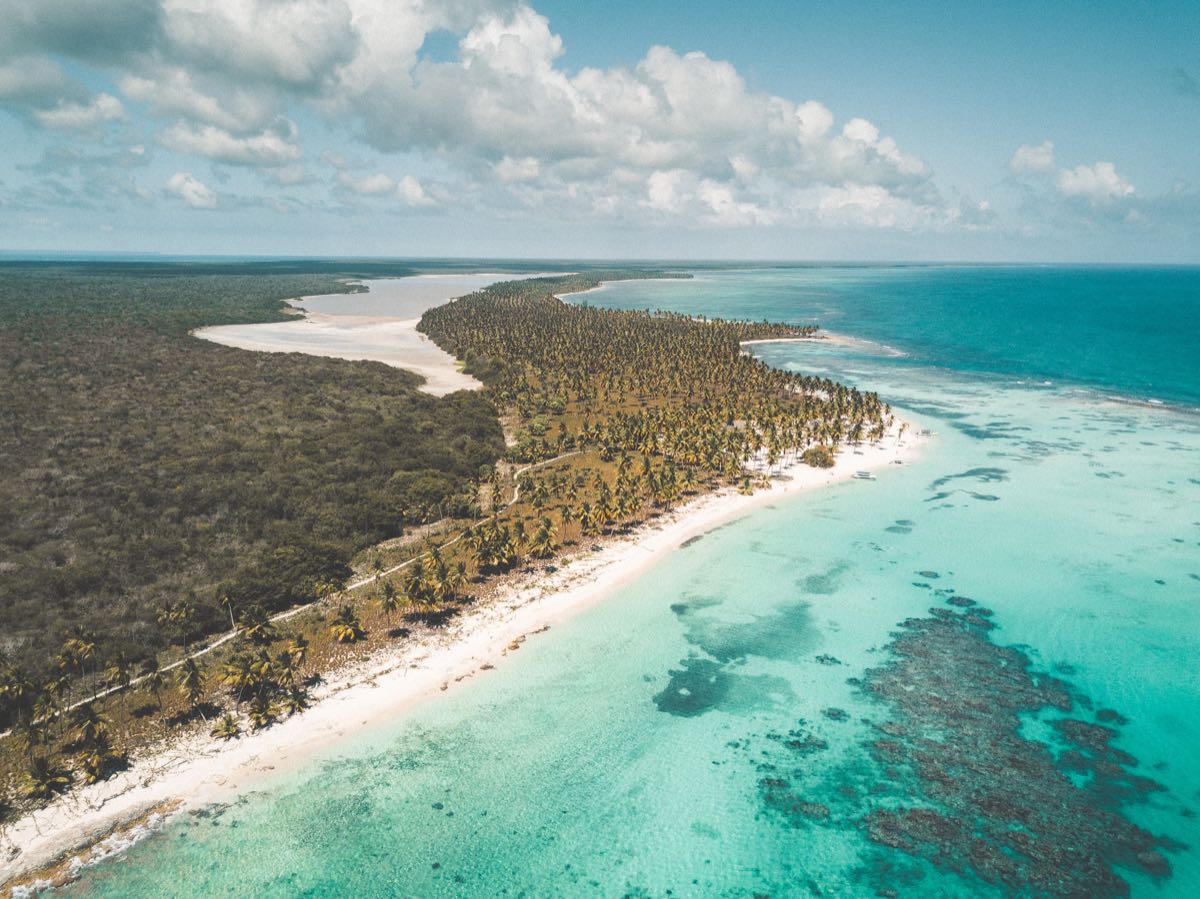
The most valued beach for investment in the municipality. Limited access, palm trees, calm waters. Beachfront inventory here is the most scarce and the best value preserver. High entry price, high liquidity.
Playa Popy / Village
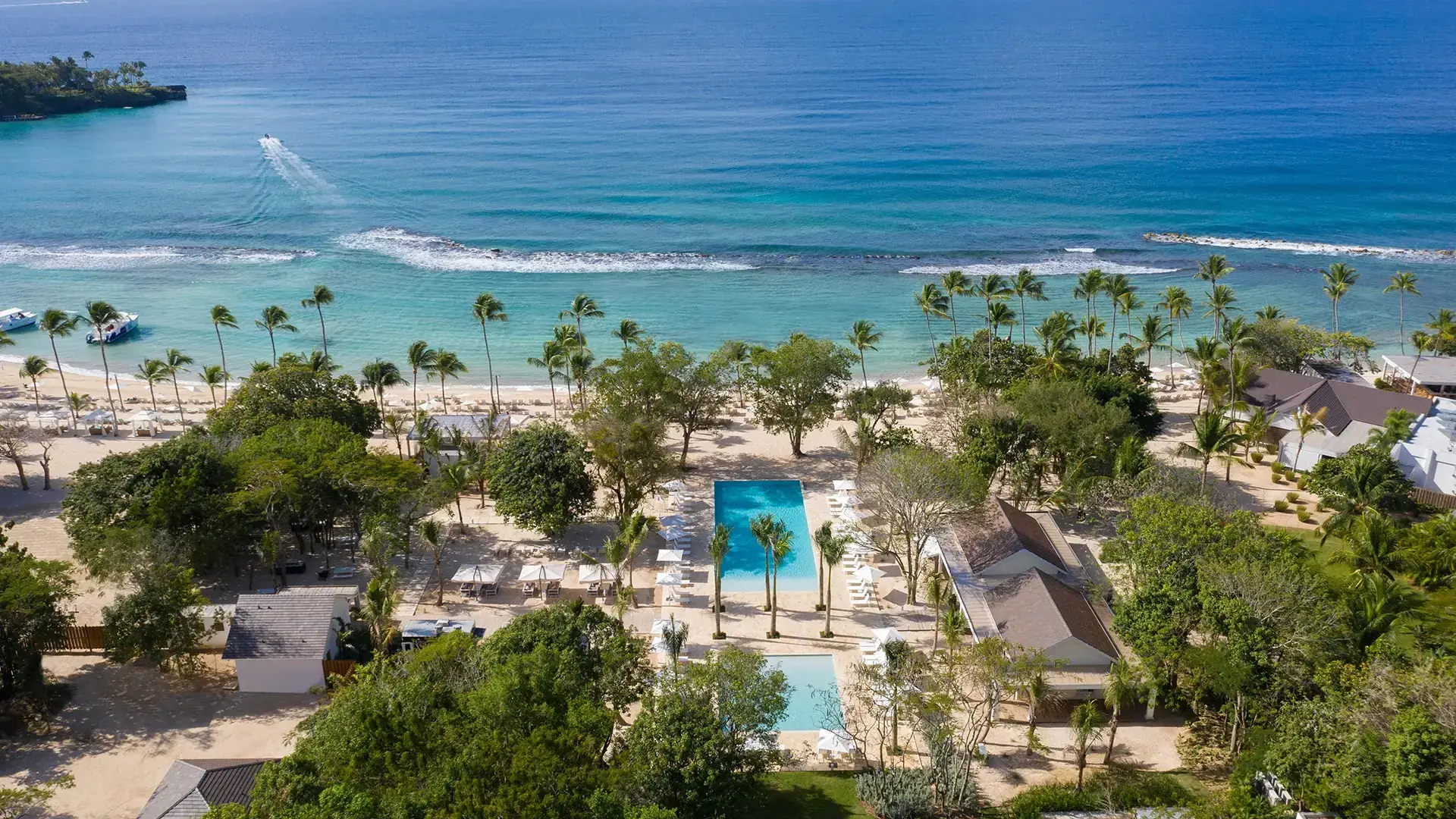
The heart of the market. Restaurants, village life, walkable to the beach. Best balance between entry price and rental yield. Most of the accessible walk-to-beach inventory is here.
Portillo / Cosón
Further from the center, but with access to pristine beaches and projects with CONFOTUR. Attractive for the long-term buyer or small developer.
Zoning and restrictions — the insider knowledge
This is the factor most external buyers underestimate. Las Terrenas has more restrictive urban planning controls than Santo Domingo or Punta Cana:
- Height limits: many residential zones are capped at ~2 stories depending on the sector. This prevents the vertical tower construction that saturates other coastal markets. (Atlantique Sud)
- Green areas and setbacks: land occupation requirements, coastal setbacks and green areas that reduce construction density.
- Practical implication: quality inventory doesn't grow quickly. If you're waiting for prices to drop in Las Terrenas, you'll likely wait indefinitely.
CONFOTUR in Las Terrenas
CONFOTUR (Law 158-01) exists in Las Terrenas but is more selective than in Punta Cana. The stricter land and zoning limits what projects qualify. Public broker inventory references CONFOTUR exemptions on beachfront properties, villas and custom homes in the Portillo/Las Terrenas area. (Atlantique Sud)
Key rule: verify the specific project name in MITUR's official system. The resolution must be definitive — not provisional. Don't assume CONFOTUR from broker marketing.
Infrastructure and access
- El Catey Airport (Samaná): serves direct international flights, especially from Europe and Canada. Direct air connectivity is key to the boutique market profile.
- Las Terrenas–Santo Domingo highway: approximately 2.5–3 hours by road. Ground accessibility is lower than Punta Cana — part of the destination's boutique character.
- Local infrastructure: full-service village (restaurants, markets, basic medical). For high-complexity private hospitals or international schools, distance is a real factor to consider.
Risks and considerations
- Lower liquidity than Punta Cana: the pool of potential resale buyers is smaller. Selling can take longer. The market is boutique — for better and for worse.
- Dependency on European tourism: if direct flights from Europe are reduced or the euro weakens, tourist demand feels it. Tenant origin diversification is lower than in Punta Cana.
- Access and services: Las Terrenas doesn't have the same premium service coverage as Punta Cana or Santo Domingo. If the plan is to live there, assess hospitals, schools and connectivity before buying.
- High entry price in prime zones: the scarcity market works both ways — it protects value, but also raises the entry point. Buying poorly located in Las Terrenas produces worse results than buying well located in Punta Cana.
Buying process
Identical to the rest of the country:
- Legal due diligence (2–3 weeks): title, owner, liens, permits, land use and local zoning restrictions.
- Purchase agreement before a notary (1 week).
- Title transfer at the Registro de Títulos (2–4 weeks).
Foreigners own 100% without residency requirements. Additional step: RNC (tax registration). Annual IPI: 1% on value above ~US$174k. CONFOTUR can exempt this tax if the project qualifies.
How to get started
- Prioritize proximity to the sea over price: in Las Terrenas, the 300 meters separating a walk-to-beach unit from an inland unit determines performance more than any other variable.
- Verify zoning restrictions before any construction or renovation project — local rules are stricter than marketing suggests.
- Request your Investment Snapshot: we'll connect you with the broker specialized in Samaná/Las Terrenas and send you an analysis of available projects and resales.